Age-adapted BokRobot book
Self Help: Stories of Courage and Perseverance for age 11
Self Help; with Illustrations of Conduct and Perseverance
Smiles, Samuel
16 pages · 3,833 words English
 Norwegian
This book starts with a simple but important thought: a country is only as good as the people who live in it. Laws and freedom matter, but they can't make a lazy person diligent or a careless person accurate. Real change starts inside us, when we practice self-discipline and hold on through difficulties. An old saying goes: "Heaven helps those who help themselves." The author shows that this isn't just a nice saying, but something that has happened over and over in real life. It's better to build a backbone than to bow to power. A society grows stronger when the people who carry it stand up. So this book tells about ordinary people who became extraordinary by using what they had and learning every day. We'll meet inventors who put together their first machines on kitchen tables, artists who practiced for years, and people who chose to be honest and brave when it cost them. Many started poor. Some were laughed at. Others were threatened. Still, they found a way. And when we reach the end, you'll see what the book really calls wealth: not gold, but a strong character and a free mind.
There are many paths forward, even from the smallest rooms. Barbers' sons became scholars and painters. Bricklayers became poets and builders. A shoemaker taught himself science, a weaver became an explorer, a bookbinder became the great Faraday who connected electricity and magnetism. Herschel played the oboe before casting his own mirrors and seeing farther into the sky than many before him. Newton and Laplace grew up without luxury, but with curiosity that never gave up. In the French army, they said that a common soldier carried a marshal's baton in his knapsack. That meant: you can rise if you learn and persevere. In politics and business too, some started from nothing. James Lindsay was an orphan, slept in a shed, went to sea as a cabin boy, and came home a captain and later a shipowner. William Jackson read encyclopedias during lunch and became a wise, helpful employer. Disraeli gave a terrible first speech in Parliament. People laughed. He didn't stop. He promised they would hear him another time. Then he practiced, read, and learned—and kept his word. Common to all was work. It can't be bought. It must be done. It is the foundation, whether you stand in a shop, a field, or a bench. Every little moment can become an hour you learn from.
When something new is created, it often happens step by step. A small idea becomes a rough drawing. It becomes a poor model that breaks. Then it becomes a slightly better model. That's how the steam engine grew. Many tried: Heron, Savery, Newcomen, Smeaton. Then came James Watt, who worked as an instrument maker and trained his eye on small, precise things. He learned that hot and cold should not live in the same cylinder. He thought about condensation and wasted heat. He struggled with debt, repaired violins, and measured roads to make a living. For ten years he tinkered and counted quarter-circles. At last he met Matthew Boulton, a man who could make things happen in the world. Together they brought the engine from workshop to reality. Later, others dared more. Trevithick used higher pressure, and the Stephensons made the locomotive pull trains. Then whole societies began to move, not just wheels. Factories woke up. Goods traveled. People found work in new places. The book tells this not to admire shiny metal, but to show a habit: the ability to see a problem, chip at it, fail, learn, and try again. It may look boring, but it is often the real magic.
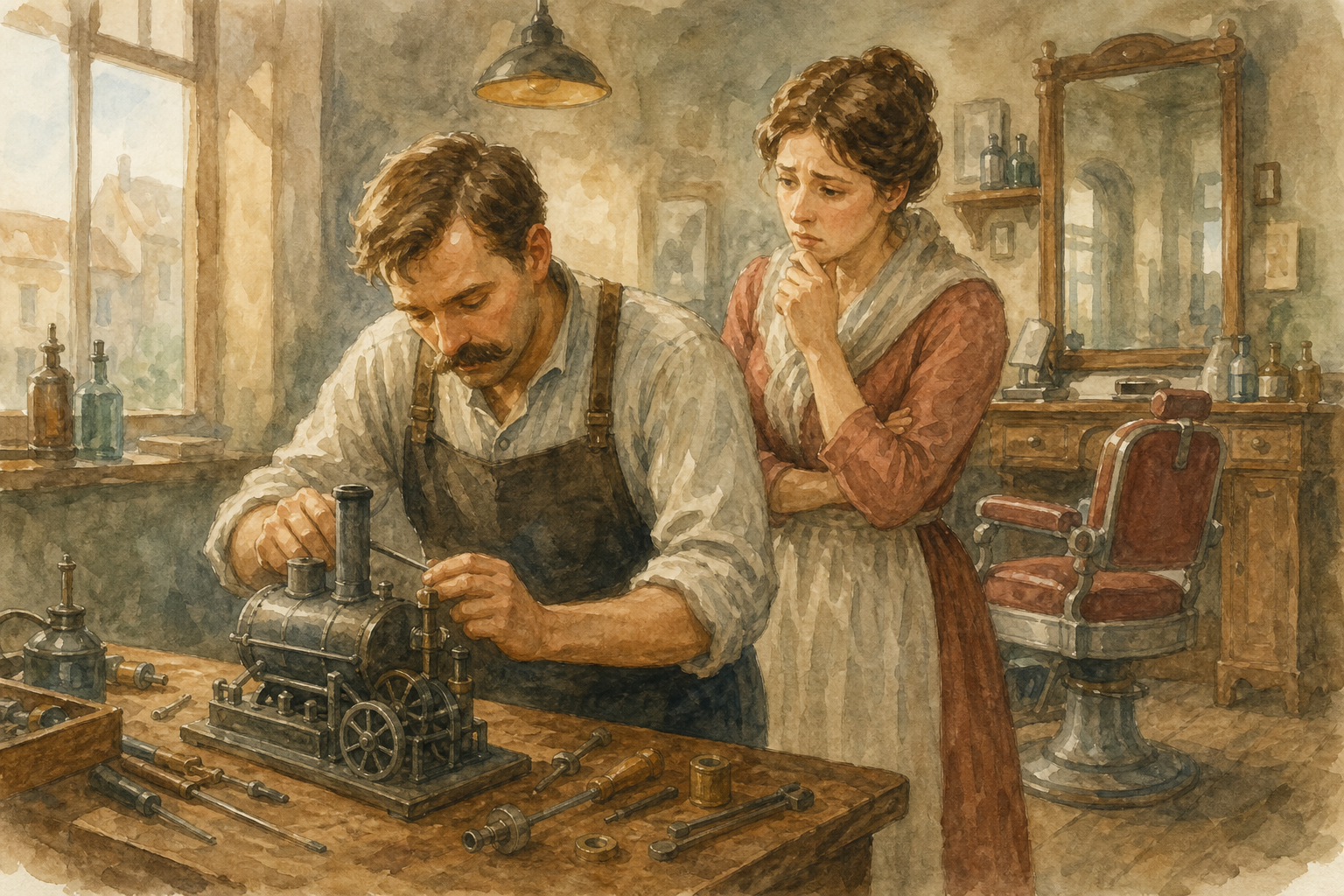
In the textile town, the story begins with a barber. Richard Arkwright cut hair cheaply and worked hard. When wigs went out of fashion, he looked for something that wouldn't disappear so easily. He wanted to spin thread with a machine. With a clockmaker named Kay, he built a first model. His wife, scared and desperate, tore it apart. Arkwright built another. People were angry and suspicious, so he moved. He met Jedediah Strutt, who understood the invention and dared to invest. Arkwright got a patent and built a factory. Once, a mob nearly burned everything he owned. He replied dryly that he still had his razor. He started learning grammar at age fifty to write better letters. The factory system took shape: different work in orderly sequence, thousands of small hands learning big habits. It brought both light and shadow, but much new became possible. Robert Peel, called "Parsley-Peel," discovered that a pattern on a tin plate could be printed on cloth. He and his wife Ellen figured out more together: colors that withstood washing, ways to stop color where it shouldn't go. One evening he lifted Ellen onto his lap, tired as she was, and promised to wait with marriage until he could support her. He waited. They built work and home in the same motion.
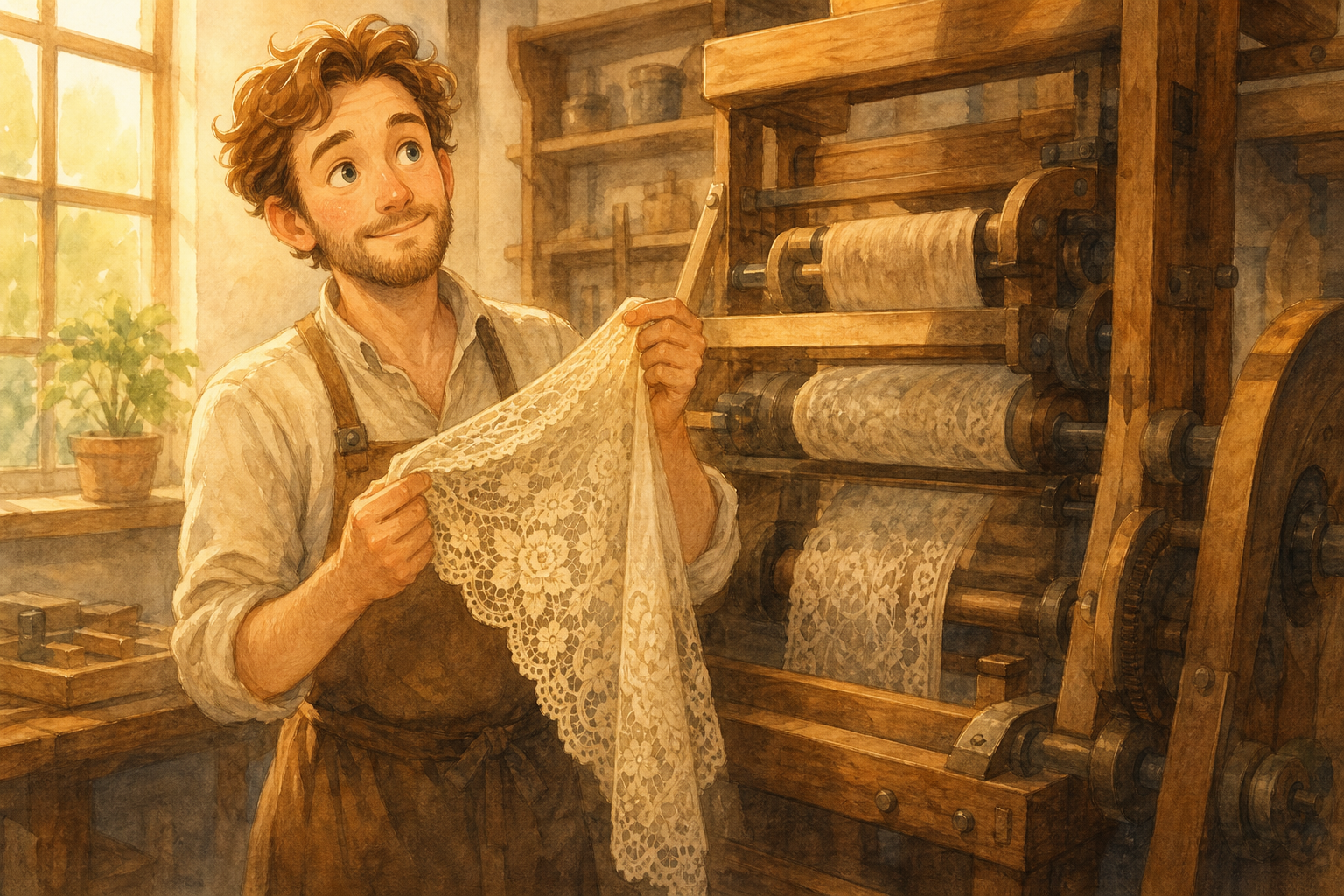
Before the great factory age, a clergyman named William Lee saw a girl he wanted to marry, teaching girls to knit. He was hurt when she rejected him. The hurt turned into stubbornness. He filed eyes into needles with poor tools and built a frame that could knit. He took it to Queen Elizabeth. She feared unemployment and said no. In France they said yes, but the king was killed, and Lee died poor. His brother and an apprentice took the machine home, and eventually it gave many people work in Nottinghamshire. John Heathcoat went further. He wanted a machine to do what human hands did when making fine lace. He tried and cried, tried and tore up, until a thin strip of lace lifted in his wife's hand. He defended his rights in court, but one day angry men stormed in. The machines were destroyed. Heathcoat moved to another town, built new spinning machinery, an iron foundry, and a school for the children. He was no longer just an inventor. He became a community builder. There was pain at the start, but the fruit grew large and steady.
In Lyon, Joseph-Marie Jacquard sat and watched an old machine that could weave flowers over and over using a cylinder full of small holes. He thought: can the pattern be stored in something that never wears out? He made a chain of punched cards that told the loom when threads should be lifted. The boy who had to pull ropes and assist became unnecessary. Now one weaver could do what used to take two. People got scared. They said Jacquard would take away their bread. Some nearly threw him into the river. A loom was broken on the square. He was hanged in effigy. Yet the idea won. When English factories used the machine, the French had to follow or fall behind. Jobs didn't disappear; they increased, just became different. Jacquard was honored in the end, but his family still had to sell a medal to get by. That's how it is sometimes: great gifts bring joy to many, yet the giver himself doesn't get the most. But the world became larger because of what he dared. And in the cards with holes lay a secret that would one day become both automated looms and automated machines far beyond textiles.
In Switzerland, Joshua Heilmann tried to get cotton fibers to lie neatly before spinning, like human hands did when combing. He spent all his money on experiments. He traveled to Manchester and back. Nothing worked. One evening he watched his daughters combing their hair: they let the short hairs stay in the comb and pulled the long ones through. The machine had to grip both ends, he thought. Suddenly it became clear. The model worked. Spinning mills paid for the rights. Money came—but late. He had worn himself down. His son died soon after. Still, the machine stood and worked for thousands. Many stories are like that: a thought burns inside a person, the house is a bit upside down, neighbors whisper, bills grow—then the pieces fall into place. The profit is shared in work and bread for others. The inventor himself doesn't always get more than the peace of knowing the world works a little easier because he didn't give up. It may seem unfair, but the book shows that the value is real anyway: in every cloth woven, every thread made even, there is a piece of a person's perseverance.
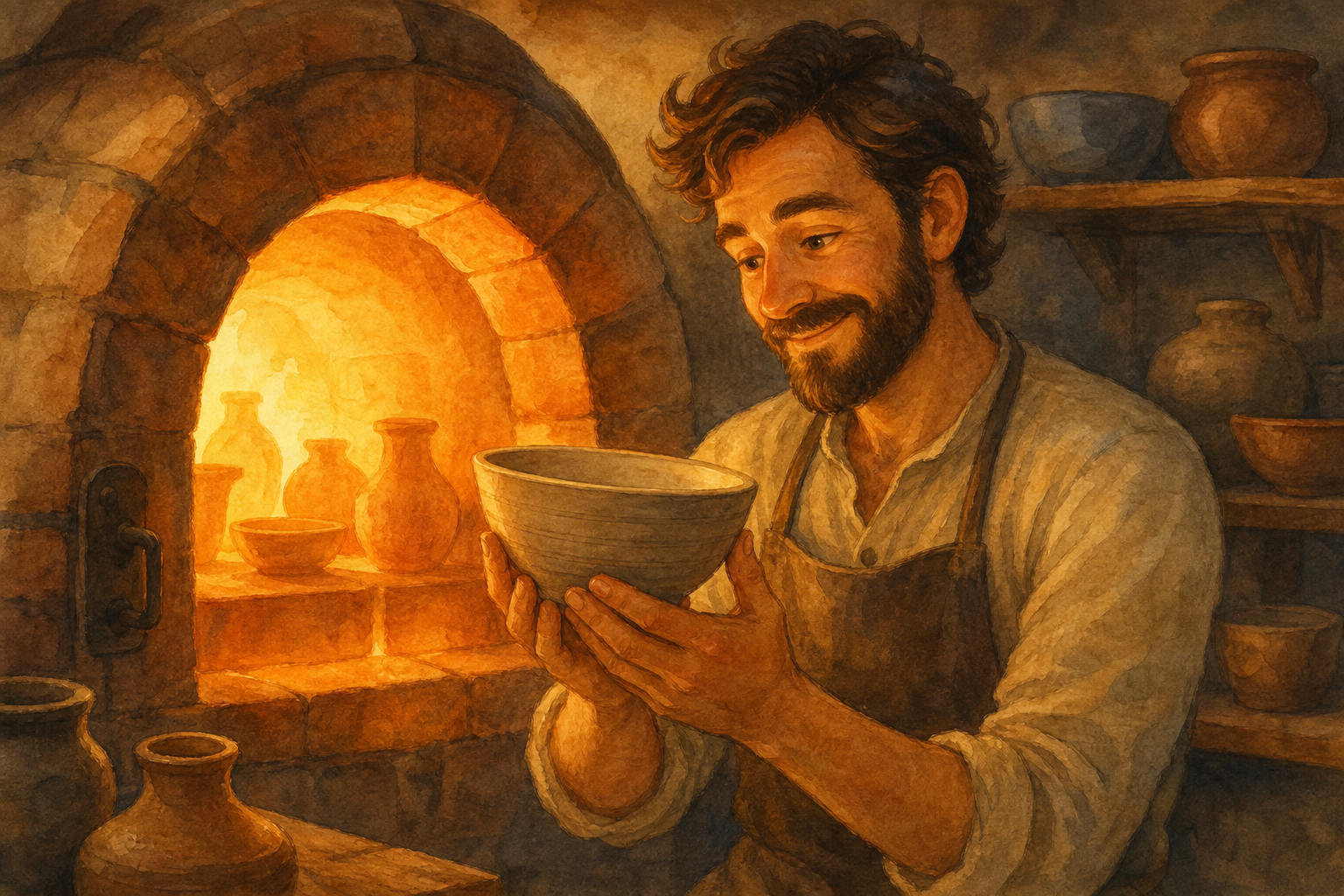
Three potters show what resistance can do to courage. Bernard Palissy saw a white, smooth cup and decided to find its secret. He didn't even know how clay was fired. He smashed dishes, mixed shards, heated ovens. Nothing worked. He built his own kiln. Fuel ran out. He tore down the fence, then the furniture. Neighbors called him crazy. After six days, the glaze finally melted. The brown pots got a white shell. Later, a bad kiln destroyed months of work, and Palissy himself broke the cracked goods rather than sell anything he didn't stand for. He was a Protestant and was put in the Bastille as an old man. The king asked him to renounce his faith. He refused. He died in prison, but his works live on. Johann Friedrich Böttger dreamed of making gold. The king locked him up. Instead, he found the secret of porcelain: white clay mixed and fired into something strong. Meissen became famous. Böttger was not freed. He became ill and died young. The factory lived on. Josiah Wedgwood had a bad knee and had to stand still at the bench. He tried, failed, and tried again. He refused half-baked work. At last he made a white stoneware no one had seen before. The queen ordered it. "Queen's-ware" became known everywhere. He also built canals to transport his goods. He placed order before haste. The town he built was called Etruria. He left behind a craft that had become an art.
The book often says: great things come from small repeated actions. Michelangelo said, "Trifles make perfection." John Hunter gathered facts like bees gather nectar, studied everything from bones to blood so patiently that he dared to perform safe operations no one had tried before. Ambroise Paré, who started as a barber and battlefield surgeon, discovered that ointment could save when boiling oil destroyed. He tied blood vessels instead of burning them, and let results speak louder than fine words. William Harvey spent eight lean years showing that blood circulates. People laughed. Then they nodded. Edward Jenner heard a milkmaid say she couldn't get smallpox because she had had cowpox. He tested carefully, first on his own son, and found vaccination. In a small room, Humphry Davy made apparatus from what he had, sparked a flame in a young bookbinder, Michael Faraday, who built further in a simple laboratory. William Herschel cast mirrors, threw away 200 before one held up, and went from orchestra seat to the stars. William Smith, son of a tenant farmer, saw that each layer of earth had its own fossils. He drew the first geological map of England, sold furniture to finish it—and finally won respect. They all learned the same: gather, try, hold on.
Art and music follow the same law. Sir Joshua Reynolds said that if you want to be good, you must work morning, noon, and night, whatever your mood. Michelangelo put a lamp in a hat to see lines at night. Domenichino was slow as a snail, but his lines became sure. Young Turner colored skies for a few coins, drew small leaves for other people's books, and never slacked. Cellini cast a statue and saw the metal cool too fast. He threw pots and pans into the melt to save the work. It resembles Palissy's furniture that became fuel. John Flaxman married early, drew cheaply to save for Rome, and later made simple, true monuments that people still look at with calm. Chantrey used a paper hat to hold a candle, freeing his hands to carve. Pugin learned Gothic forms by building stage scenery at the theater first. In music, Handel rose after a heavy time and wrote works in one year that still live. Bach copied exercises by moonlight as a boy. Beethoven said to someone who cried for help from heaven: "Help yourself." That didn't mean he was hard. It meant he knew where the muscles of the soul sit.
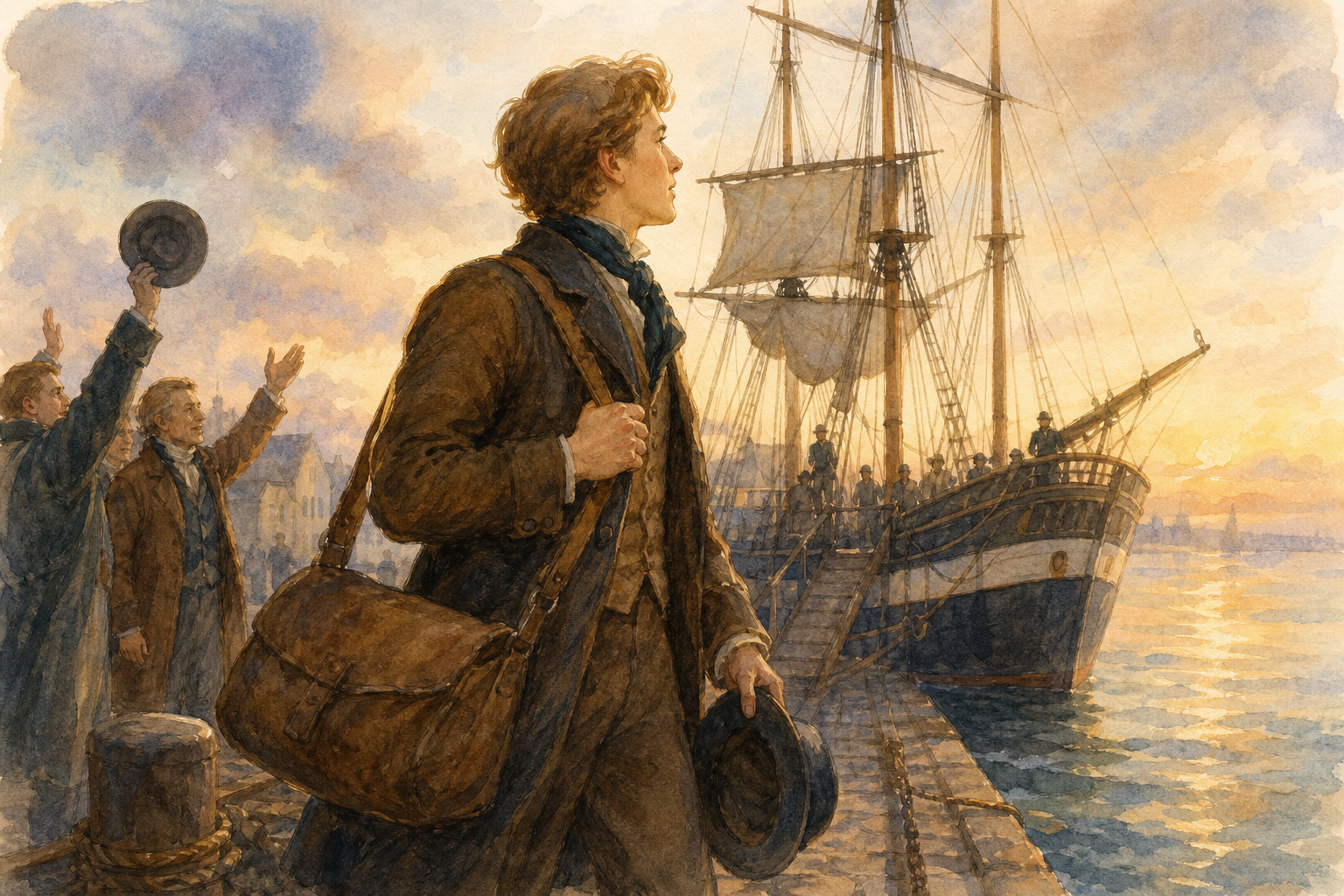
"Where there's a will, there's a way." The saying is simple, but it can be heavy to bear. The will must have direction. Napoleon liked to say that "impossible" didn't exist. He built roads over mountains. Wellington said "duty" and kept a cool head in slow, difficult wars. Two styles, two messages: speed is great when the teacup doesn't tip, but responsibility also keeps the pace. It is good to decide quickly when it matters. The African Association asked Ledyard when he could leave. "Tomorrow morning," he answered. And he went. A general seized the moment at a bridge in Italy and turned a battle. Sir Charles Napier stood in India with few soldiers against many. He went straight up the slope and won. During the rebellion of 1857, small garrisons held out in cities like Delhi and Lucknow. Those inside wouldn't give up. Those coming forward wouldn't give up either. Neither was easy. There was scorching sun, disease, and fear. But they kept order in small things: cartridges, water, sentries, silence when needed—and they stuck together. The book doesn't include this to dwell on war, but to show a core: determination plus patience gives courage with the heart beating the right way.
There is another path, equally brave: using strength for the good of others. Francis Xavier rang a bell in the streets and asked people to send their children to school. John Williams, who started in an ironmongery, traveled to Pacific islands, built boats and houses, and died for his cause. David Livingstone read poetry over the noise of spinning machines, saved for his studies, paid his own way, and kept a pace that won friends when doubters grumbled. When his steamboat broke down, the children in his family put their money in the pot. "The children will make it up themselves," he said. They did. He built fields and canals in Africa alongside people he learned to know by name. John Howard had weak health but visited dark prisons and wrote what it was like, so laws could change. Jonas Hanway provided clothes and training for poor boys and dared to walk with an umbrella in London when people laughed at it. Granville Sharp, a quiet man who knew Greek and Hebrew, found a sick, blind black man who had been beaten. He read law at night and got him free. He pushed the case so far that a judge had to say out loud: on English soil, no one is a slave. Together with Clarkson and Wilberforce and later Buxton, who worked by day and read by night, they got slavery abolished in British colonies. The date was August 1, 1834. At a wedding that same day, Buxton said quietly, "Today there is not a slave in our colonies."
The shop is also a school. There you learn to come on time, count correctly, promise little, and keep what you promise. Many wise people had ordinary jobs: Spinoza polished lenses, Shakespeare managed theater money, Newton ran the mint. Those who want to succeed in business can train in small virtues: attention, accuracy, method, punctuality. Nelson said he owed much to the habit of being a quarter-hour early. Washington told a secretary who blamed the clock to buy a new one. Wellington paid bills he wasn't even legally required to pay, just to keep his name clean. Honesty is more than fine style. Credit means someone believes in you. Cheating bursts like soap bubbles. Money is not the goal, but it tests us. It is wise to live within your means and save a little. That way you build a small buffer between your family and misfortune. Spending more than you have almost always means spending others' money. Debt chains freedom. Some say: I have so little, it doesn't matter. But small, steady habits work. Hugh Miller discovered that two glasses made a good book unreadable. That was the push he needed to say no next time. A man named Thomas Wright spent his spare time for ten years helping former convicts find work. His budget was tight, but his heart was big. Saving that protects and helps is noble. Saving just to accumulate traps the soul, like a monkey that won't let go of the rice and gets stuck in the gourd.
The best school is often the one you make yourself. You learn by doing, not just by hearing. Newton, Smeaton, Watt, and Stephenson used their hands as boys. Elihu Burritt went back to the anvil to keep his body and mind strong. The great speakers also breathed with deep chests. Under it all lies a simple law: steady effort. Reynolds said that inspiration without labor doesn't exist. Buxton said he could catch up with most by working double. Easy shortcuts in learning are tempting. They often give empty boxes. Novels can rest the mind, but too many make it heavy. Look instead at people who started late or poorly. A boy learned grammar by saving sixpence a day in a military camp. Alexander Murray wrote with charred heather on a wool carder. A man in Scotland lived in a garret, borrowed books, and became a publisher. Samuel Lee was a carpenter and became a professor of languages by rising early, sitting up late, and not being afraid to start over. Some were called slow as children and great as men. Newton was nearly at the bottom of his class once. Clive was wild. Wellington was out of focus. Grant was nicknamed "Useless." They didn't stay there. The tortoise often beats the hare if the hare wants to rest. Parents can help by praising effort more than gift, giving work that makes strong, and making room for the child's own drive.
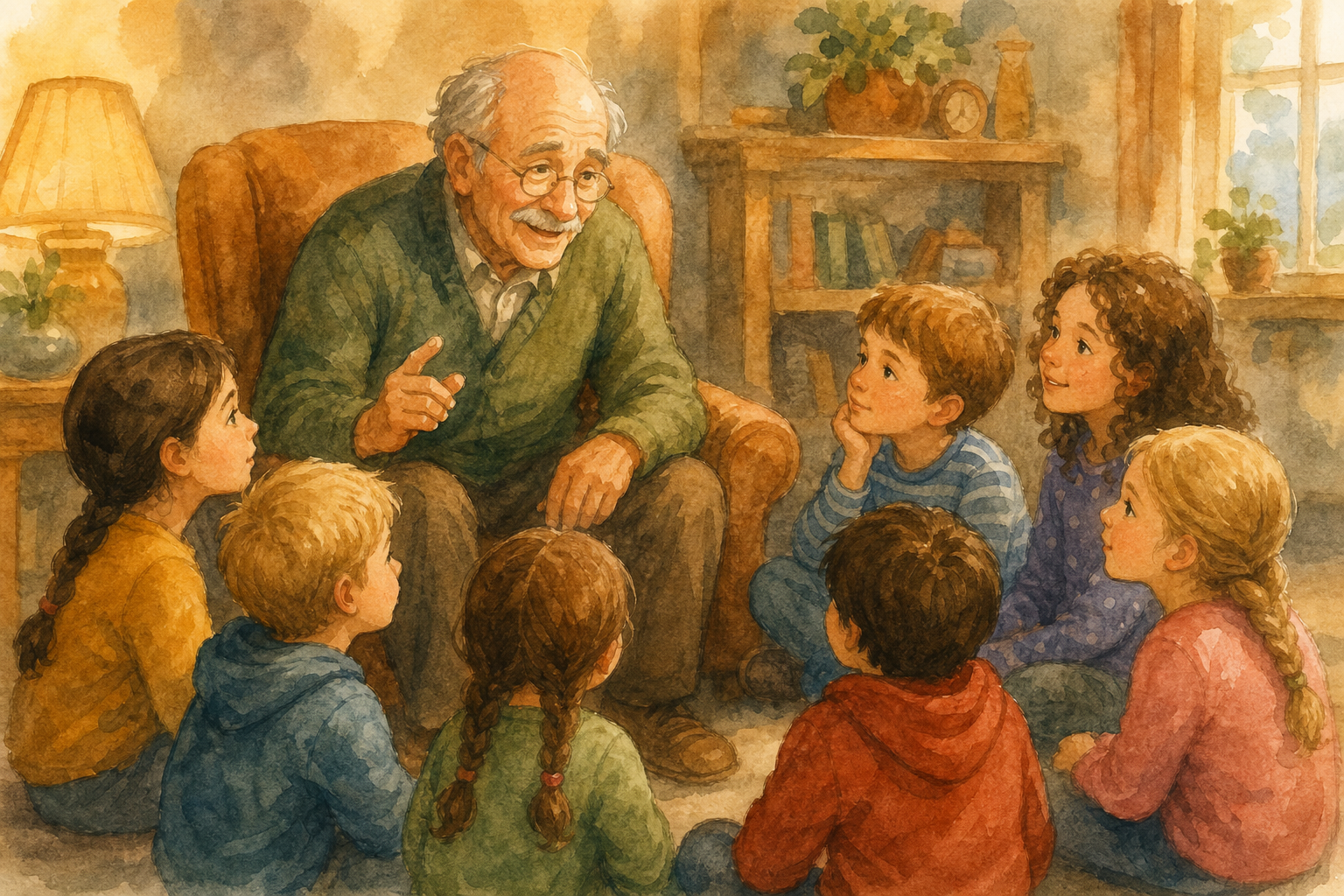
The first thing we learn from is example. A mother bending over a child's work can reach further than a stern lecture. A gamekeeper who cannot read can show honor so clearly that a boy carries it all his life. We infect each other. We resemble those we are much with. Choose good company, or be alone for a while rather than in bad company. Biographies can be like matches. Plutarch lit poets and politicians. Captain Cook's voyage lit a missionary. A quiet shoemaker who gathered poor children in a corner lit a priest to start ragged schools. Sir John Sinclair lit a whole corner of Scotland by building roads, bringing new sheep, writing to ministers and teachers, and getting better pay and duties for them. He didn't have pockets full of gold, but he had strength to stand up for the community. At the end, the book lays the wreath where it has aimed all along: character. It is the country's conscience. Francis Horner was not rich, but he was listened to because he was honest, calm, and knowledgeable. Franklin carried matters forward with honesty more than with strong words. Montaigne said he felt safer with truthfulness than with soldiers. Peel was praised by the Duke of Wellington for one thing: unshakable truthfulness. Character is habit. Good deeds become easier when we do them often. We can practice seeing the bright side, not fake it, but as daily training. Small signs say much: how we treat those who work for us, and those we stand beside. Politeness and kindness cost little and make much work. True gentlemanliness is not about coat, but about being. A man can greet a child's mother in dirty clothes with the same respect as a count in silk stockings. So strength carries gentleness. And sometimes this shines clearer than words. On the ship Birkenhead, soldiers stood still so women and children could get into the boats first. They did not move. The ship sank. A lamp in the hand of a nurse in a dark hospital, a calm gesture from an emperor following a poor man's coffin, two workmen walking after an unknown coffin in the rain because no one else did—these do not die in people's memory. The true test of strength is how we use it toward those weaker than us. A general
who returns a blanket to a soldier even when he himself is bleeding understands. An officer who shares credit with a younger one understands. When all is said, the book's goal is not to point a stern finger, but to open a door: use the will you have. See the opportunities that lie small and everyday before you. Take notes. Practice. Stand when it is dark. save when desire calls. Give where duty points. Learn in small moments. Build in the slow. The reward need not be great for life to be rich. For those who do this, there is something more valuable than gold: a free mind and a steady character.